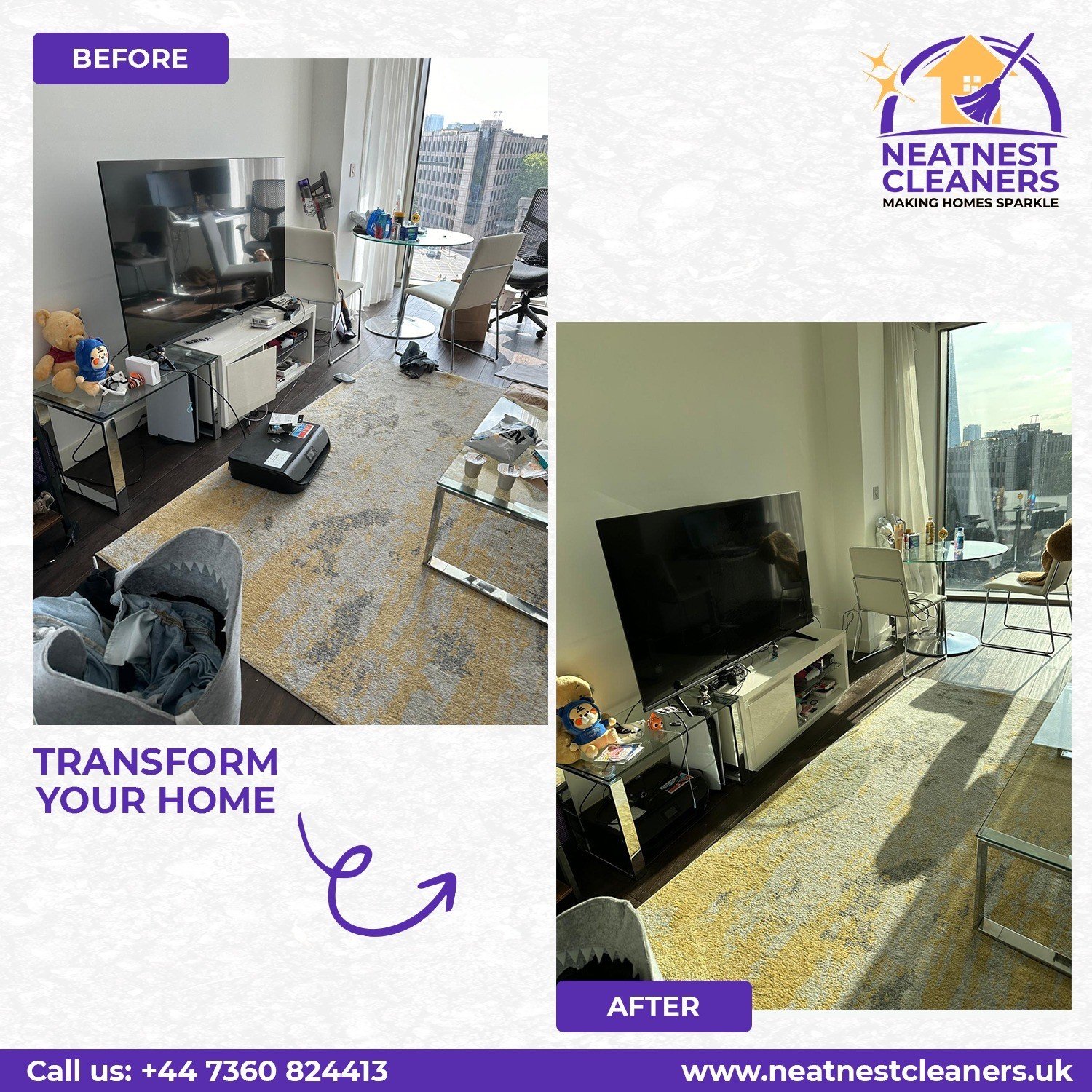
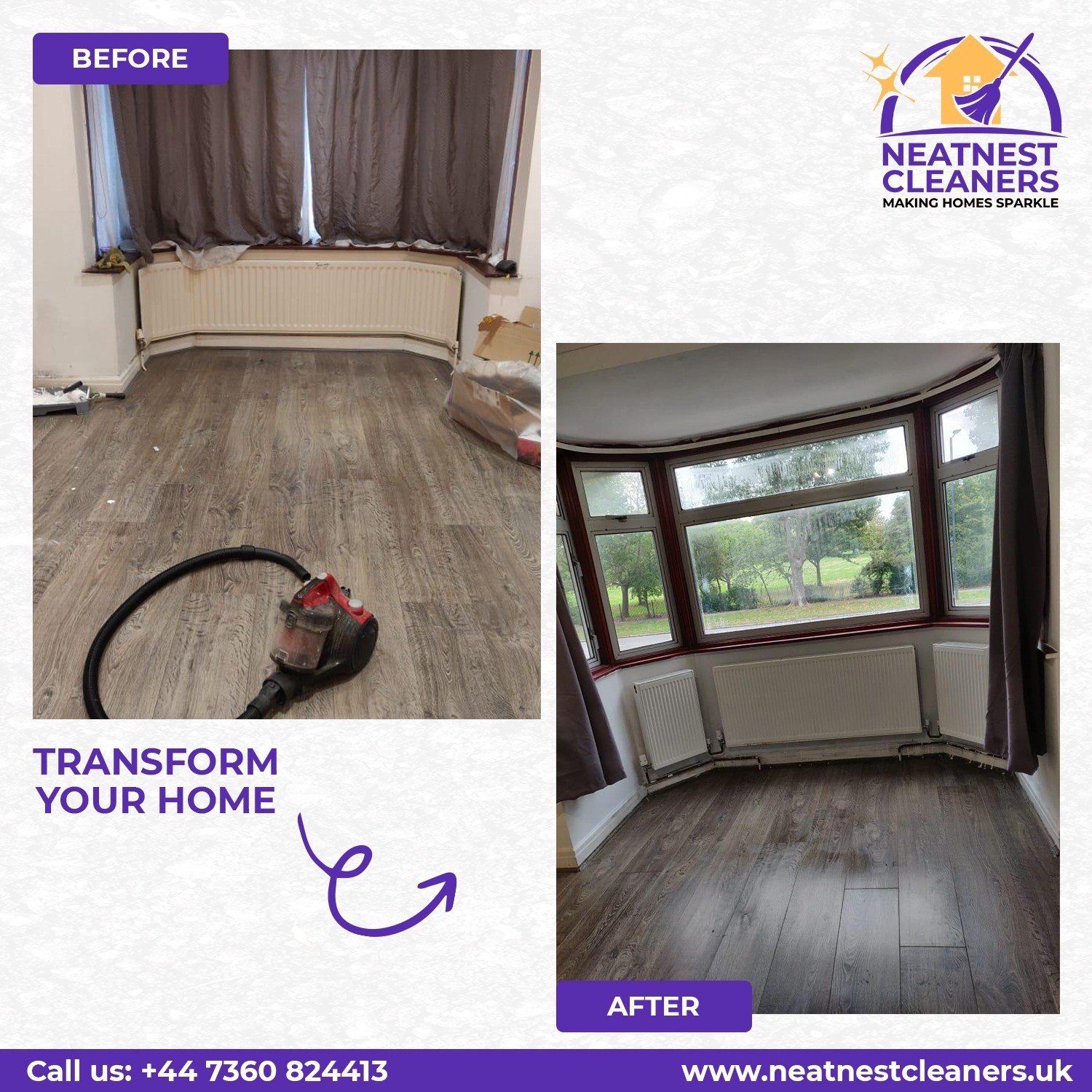
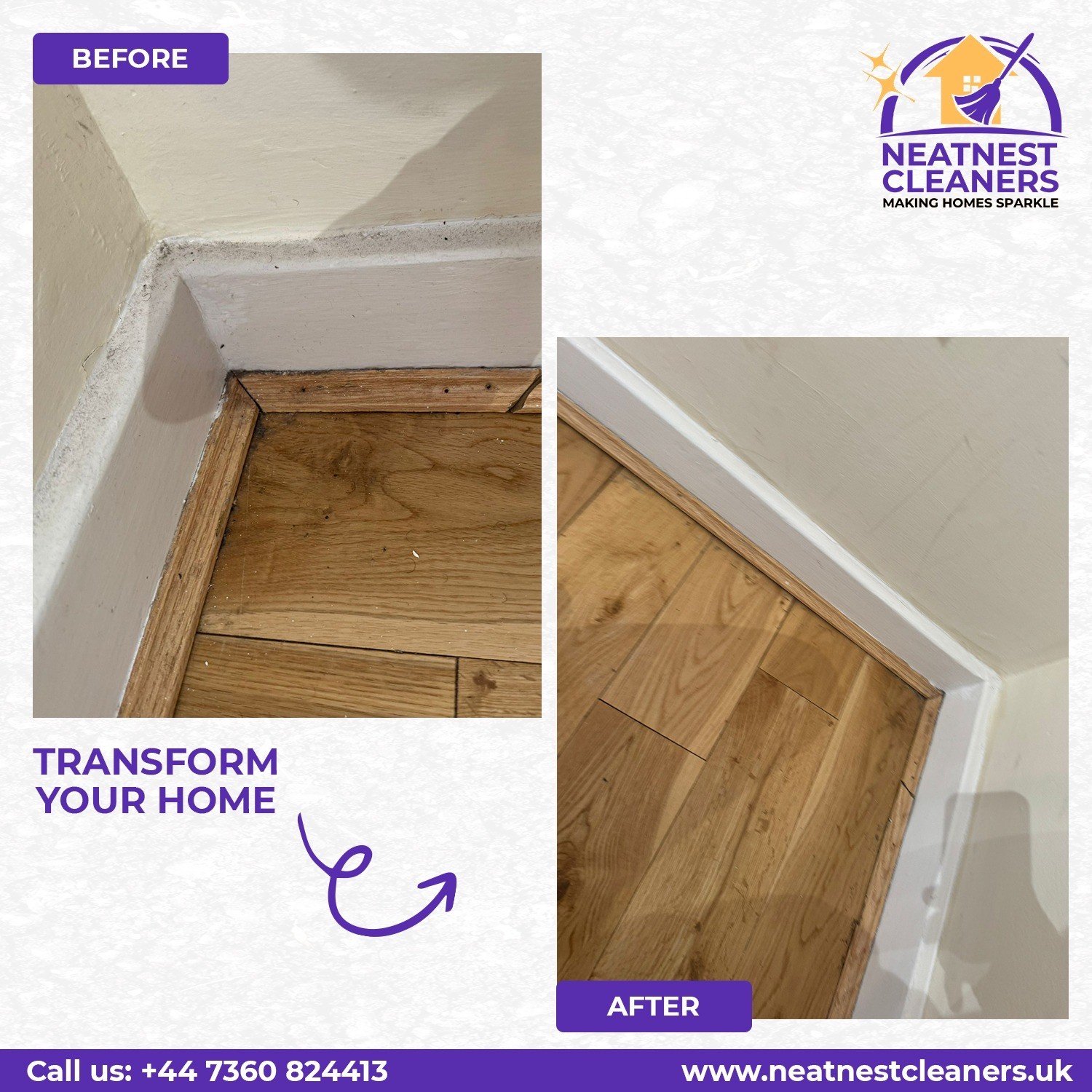
Move-Out Cleaning Checklist: Complete Step-by-Step Guide for Tenants
Cleaning is one of those times when the last few days before moving out of a rented property can become a source of considerable stress. Many tenants use a Deep Cleaning Service in London to get the property ready before returning home. Regardless of whether you clean the place on your own or get help from professionals, having a standard checklist can always ensure that the process is easier and more planned.
In this guide, we are going to explain the key steps for cleaning for all tenants so that they can leave the property clean and tidy.
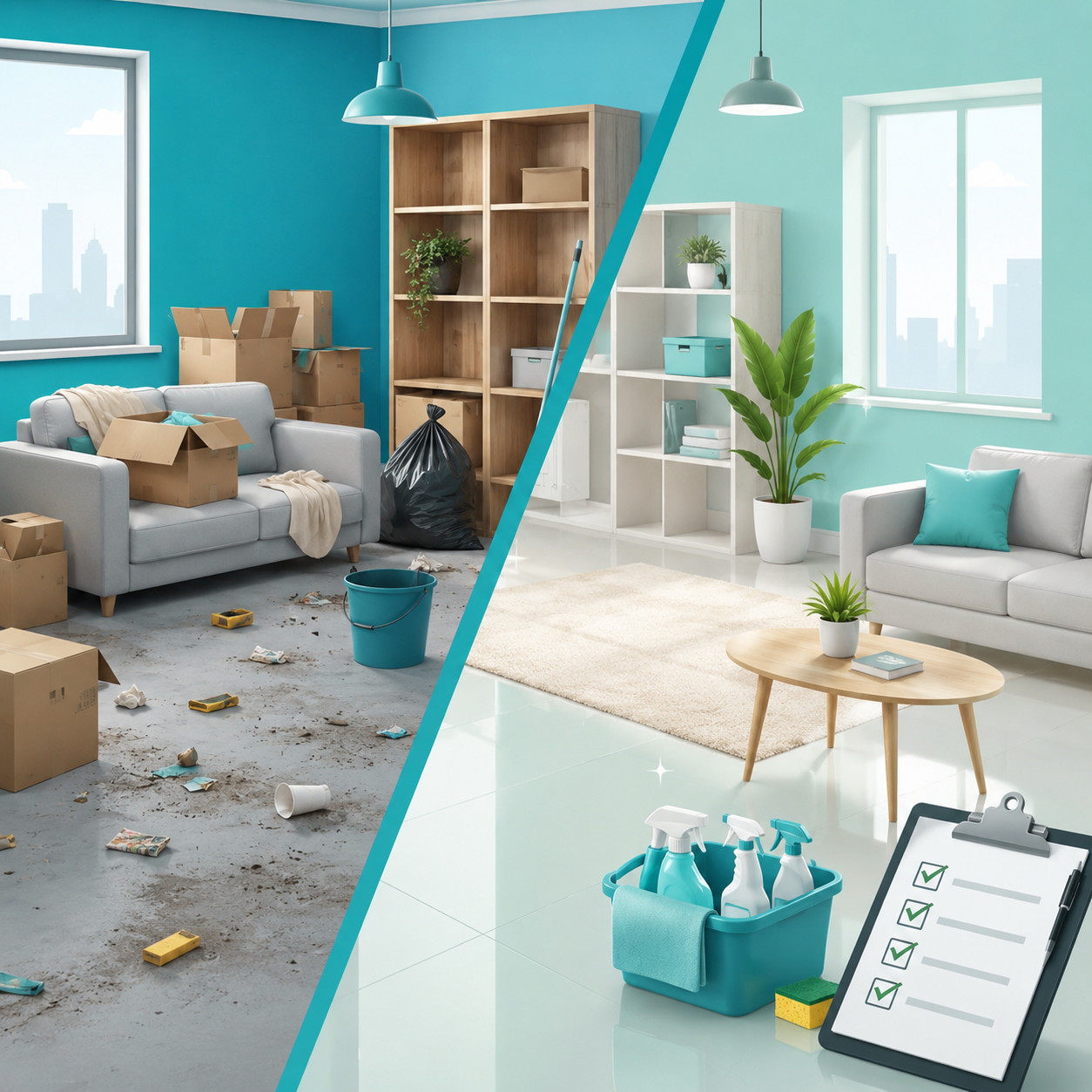
Why Move-Out Cleaning Is Important?
It is reasonable for landlords to assume that tenants will know they should leave the property clean. If the place is cleaner, then it will help you in avoiding conflicts on the final inspection. Move-out cleaning generally takes longer than weekly cleaning because it touches hidden areas like appliances replaced in cupboards and under the floor.
An early start can also help alleviate some of the stress of moving day.
Prepare Before Cleaning
Before cleaning begins, remove personal items, furniture, and rubbish from the property. Empty rooms are easier to clean thoroughly.
Basic Cleaning Supplies
You may need :
- Vacuum cleaner
- Mop and bucket
- Microfibre cloths
- Glass cleaner
- Bathroom cleaner
- Bin bags
- Sponges and brushes
- White vinegar and baking soda
Kitchen Cleaning Checklist
The kitchen often needs the most work because grease and food stains build up over time.
Appliances
Clean all appliances inside and outside :
- Oven and trays
- Microwave
- Fridge and freezer
- Dishwasher
Remove food marks, grease, and crumbs carefully.
Cupboards and Surfaces
- Wipe cupboards and drawers
- Clean worktops
- Remove grease from splashbacks
- Clean the sink and taps
Floors
Vacuum and mop the floor properly, especially near corners and under appliances.
Some tenants hire a deep cleaning service in London because kitchen cleaning can take several hours.
Bathroom Cleaning Checklist
Bathrooms collect moisture, soap marks, and limescale.
Important Areas to Clean
- Toilet inside and outside
- Shower screens and bath
- Sink and taps
- Mirrors and tiles
Remove water stains and clean drains if needed.
Bathroom Floor
Sweep and mop the floor carefully, especially behind the toilet and near corners.
Bedroom Cleaning Checklist
Bedrooms may look clean, but dust often gathers in hidden places.
What to Clean
- Wardrobes and drawers
- Shelves and skirting boards
- Window sills
- Mirrors and glass
Vacuum carpets properly and check under furniture for any items that remain in the room.
Living Room Cleaning Checklist
The living room is usually one of the most used areas in the home.
Main Cleaning Tasks
- Dust shelves and tables
- Wipe light switches and doors
- Vacuum sofas if included in the property
- Clean windows and frames
Vacuum carpets slowly to remove dust from edges and corners.
Walls, Doors, and Windows
Marks on walls and doors are common in rented homes.
Areas Often Missed
- Fingerprints near handles
- Dust on door frames
- Light switches
- Window tracks
Use a soft cloth to avoid damaging painted surfaces.
Flooring Checklist
Different floors need different cleaning methods.
Carpet Floors
- Vacuum properly
- Remove small stains if possible
Hard Floors
- Sweep the dust first
- Mop with a suitable cleaner
Check under furniture and behind doors before finishing.
Final Inspection Tips
Before leaving the property :
- Remove all rubbish
- Empty cupboards
- Check every room carefully
- Make sure appliances are empty and clean
Taking photos after cleaning can also help keep a record of the property's condition.
Conclusion
Even if you aim for perfection, move-out cleaning takes time, but it will be simpler with a clear checklist. Cleaning every room the right way ensures that you leave the home in great shape for your successor. If tenants get professional deep cleaning service at NeatNest Cleaners, they get proper cleaning. You can also connect by calling +44 7360854276. In that case, there will be no problems as the inspection proceeds.